
كارثة عالمية “أخيرة”.. تاكر كارلسون: ترامب على بعد أيام من شن ضربة نووية على إيران
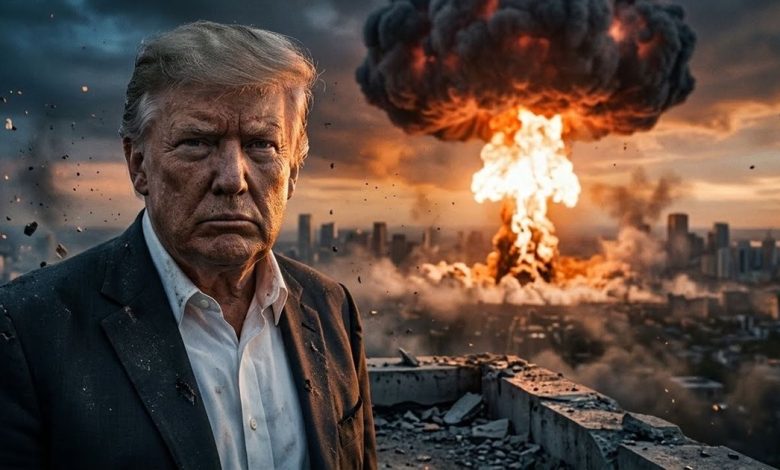
بين كواليس الضغط السياسي ومخاوف الانزلاق نحو حرب شاملة، فجّر تاكر كارلسون قنبلة إعلامية بتأكيده اقتراب واشنطن من حافة الخيار النووي ضد طهران. وبحسب تصريحاته الأخيرة على منصة «إكس»، فإن الساعات أو الأيام القليلة القادمة قد تشهد قراراً تاريخياً من إدارة ترامب تحت وطأة إصرار رئيس الوزراء الإسرائيلي بنيامين نتنياهو، مما ينذر بتداعيات كارثية على الاستقرار العالمي.
Under pressure from Israeli prime minister Benjamin Netanyahu, the Trump administration may be within days of launching a nuclear strike on Iran. The target would be Pickax Mountain in central Iran, where Israeli intelligence claims the Iranian government has restarted its nuclear enrichment program. No conventional weapon in the American arsenal can penetrate 300 feet of solid granite to destroy the tunnels where enrichment is supposedly taking place. The only military option is a nuclear strike. Netanyahu has been pushing hard for one. “Bibi calls Trump about it every day,” says an informed observer.
Netanyahu is cornered and desperate. After last week’s election results, he can’t form a government unless Trump intervenes directly in Israeli politics and brokers a deal with other parties that gives Netanyahu 61 seats in the Knesset. Otherwise, he is out as prime minister and on his way to ignominy, investigations and possibly jail. Netanyahu must stay close to Trump. He needs this war.
To that end, he’s applied maximum pressure to his closest allies in the administration, including Secretary of Defense Pete Hegseth and CENTCOM commander Brad Cooper. Both oppose a negotiated settlement to the war they’ve so grievously mismanaged; both are pushing to restart major combat operations. Secretary of State Marco Rubio and CIA director John Ratcliffe are also following Netanyahu’s lead, as are leaders of the Democratic Party. In a recent meeting on the subject, former president Barack Obama said he opposes the current Iran peace deal being drafted in Doha.
The rest of America’s longtime allies in the Middle East are terrified by the prospect of more war. On September 27th, Netanyahu flew secretly to Abu Dhabi to enlist the UAE in his lobbying effort for a final attack on Iran. The Emiratis refused. After eight months of conflict, Gulf economies are teetering. So are global energy and fertilizer markets. They won’t recover soon. Globally, there are a total of about 850 supertankers used to transport oil from producers to the rest of the world. In October alone, 11 of them were badly damaged in Hormuz. At this pace, a global depression is imminent. A nuclear strike would radically accelerate the destruction. Fallout from a ground explosion at Pickax Mountain would contaminate the Persian Gulf, poisoning the water supply for 100 million people.
And those are just some of the immediate consequences for the region. The rest of the world is every bit as exposed. No country other than the United States has ever used a nuclear weapon in war. Some would like to. An American nuclear attack on Iran would set a new precedent. The Russians have already told at least two other governments that an American nuclear strike on Iran would free them to use nuclear weapons against Ukraine. Pakistan and India would be tempted to do the same against each other, as would North Korea against Seoul. After the first nuclear strike, World War Three is inevitable. That war would be short and final.
We’ve been sleepwalking toward this moment for months. Since February, the administration has quietly rewritten America’s nuclear doctrine to make first use of so-called “battlefield nukes” easier and therefore more likely. No one in Washington in either party seems bothered by this. Now we’re on the brink of it.
Close observers say Trump is likely to decide by next weekend whether or not to use nuclear weapons. That would be November 7, six days from now. To his credit, he’s hesitating. At the moment, Trump is listening to his vice president, JD Vance, and to his envoy and friend Steve Witkoff, both of whom argue a deal with Iran can be made.
They’re right, though it won’t be simple. The Iranians are famously frustrating to negotiate with under any circumstances, and elements of that government have become more radical since Ayatollah Ali Khamenei and his family were killed in February. After decades of isolation, even relatively moderate Iranian leaders seem confused by how decisions are made in the West. (There is a widespread belief in Tehran, for example, that the United States government controls Israel.) But overall, people who have spoken to decision-makers in Iran say there is consensus there that more war is bad for everyone and a deal is worth making.
One group that hasn’t been consulted so far is the global population — the hundreds of millions of people who will be killed along with their children if Trump is pushed by Netanyahu into launching a nuclear strike next week. Now would be the time for them to speak up.
— Tucker Carlson (@TuckerCarlson) November 2, 2026
استهداف موقع “جبل الفأس” والخيارات العسكرية
وأوضح كارلسون أن الهدف المحتمل للضربة هو موقع “جبل الفأس” في وسط إيران، حيث تزعم الاستخبارات الإسرائيلية استئناف الحكومة الإيرانية لبرنامجها الخاص بتخصيب اليورانيوم.
وبيّن الإعلامي الأمريكي أنه لا يوجد أي سلاح تقليدي في الترسانة الأمريكية يمتلك القدرة على اختراق 300 قدم من الجرانيت الصلب لتدمير الأنفاق التي يُفترض إجراء التخصيب داخلها، مما يجعل الخيار العسكري الوحيد المتاح هو الضربة النووية. وأشار إلى أن نتنياهو يضغط بقوة لتحقيق ذلك، ونقل عن مراقب مطلع قوله: “بيبي يتصل بترامب بشأن هذا الأمر كل يوم”.
ضغوط سياسية ومواقف المسؤولين في واشنطن
وأضاف كارلسون أن نتنياهو يمارس أقصى درجات الضغط على حلفائه داخل الإدارة الأمريكية، بمن فيهم وزير الدفاع بيت هيغسيث وقائد القيادة المركزية الأمريكية (سنتكوم) براد كوبر، واللذان يعارضان التوصل إلى تسوية تفاوضية للحرب ويضغطان لاستئناف العمليات القتالية الكبرى.
وأشار إلى أن وزير الخارجية ماركو روبيو ومدير وكالة الاستخبارات المركزية (CIA) جون راتكليف يتبعان الخطى نفسها، إلى جانب قادة من الحزب الديمقراطي. وكشف كارلسون أن الرئيس السابق باراك أوباما أعرب في اجتماع أخير عن معارضته لاتفاق السلام الحالي مع إيران الذي يجري صياغته في الدوحة.
تداعيات اقتصادية وخطر التلوث النووي في الخليج
وحول الأوضاع الاقتصادية والإقليمية، لفت كارلسون إلى أنه بعد ثمانية أشهر من الصراع، تترنح اقتصاديات منطقة الخليج وأسواق الطاقة والأسمدة العالمية. وأوضح أنه من بين 850 ناقلة نفط عملاقة تُستخدم لنقل النفط عالمياً، تعرضت 11 ناقلة منها لأضرار بالغة في مضيق هرمز خلال شهر أكتوبر وحده، مما يجعل الكساد العالمي وشيكاً.
وشدد على أن الضربة النووية ستسرع هذا الدمار، حيث إن الغبار النووي الناتج عن الانفجار الأرضي في “جبل الفأس” سيلوث مياه الخليج العربي، ويسمم إمدادات المياه لنحو 100 مليون شخص، فضلاً عن العواقب المباشرة على بقية دول العالم.
تحذير من حرب عالمية ثالثة وتعديل العقيدة النووية
وحذر كارلسون من أن هجوماً نووياً أمريكياً سيقود إلى حرب عالمية ثالثة حتمية؛ حيث أبلغ الروس حكومتين أخرتين على الأقل بأن الضربة الأمريكية ستمنحهم الحرية لاستخدام الأسلحة النووية ضد أوكرانيا، كما ستغري باكستان والهند، وكوريا الشمالية ضد سيول، بفعل الشيء نفسه.
وذكر الإعلامي الأمريكي أن الإدارة إعادة كتابة العقيدة النووية الأمريكية بهدوء منذ شهر فبراير لتسهيل الاستخدام الأول لما يسمى “الأسلحة النووية التكتيكية”، دون أي اعتراض ملموس في واشنطن من كلا الحزبين. وختم بالقول إن سكان العالم هم الفئة الوحيدة التي لم تُستشر، داعياً مئات الملايين من البشر لرفع أصواتهم قبل أن يدفع نتنياهو ترامب لشن الضربة.
عربي21


